

When it comes to skincare, sunscreen is often hailed as the ultimate shield against sun damage, premature aging, and skin cancer. However, despite widespread awareness, several misconceptions about sunscreen persist. Believing these myths can reduce its effectiveness, leaving your skin vulnerable. It’s time to separate fact from fiction. Here are some of the most common sunscreen myths and the truth behind them.

Myth 1: “I Don’t Need Sunscreen on Cloudy Days.”
The Truth: Up to 80% of the sun’s UV rays can penetrate through clouds. Overcast weather may give a false sense of security, but your skin is still at risk of UV exposure. Applying sunscreen daily, regardless of the weather, is essential for year-round protection.
Myth 2: “Darker Skin Tones Don’t Need Sunscreen.”
The Truth: While melanin does offer some natural protection against UV rays, it’s not enough to prevent sunburn, hyperpigmentation, or long-term skin damage. People with darker skin tones are still susceptible to skin cancer and other sun-induced conditions. Everyone, regardless of skin tone, should use sunscreen daily.
Myth 3: “Sunscreen Is Only Necessary at the Beach.”
The Truth: UV rays don’t take vacations. Everyday activities like walking the dog, driving, or sitting near a window expose your skin to UV radiation. Even indoor environments with natural light can pose a risk. Incorporating sunscreen into your daily routine is crucial no matter where you are.


Myth 4: “SPF 100 Is Twice as Effective as SPF 50.”
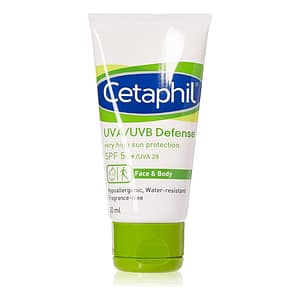
The Truth: SPF (Sun Protection Factor) doesn’t scale linearly. While SPF 50 blocks about 98% of UVB rays, SPF 100 only offers a marginal increase in protection, blocking around 99%. The key to sun safety is reapplication. Even high-SPF sunscreens need to be reapplied every two hours, especially after swimming, sweating, or towel drying.
Myth 5: “I Only Need to Apply Sunscreen Once a Day.”
The Truth: Sunscreen effectiveness diminishes over time due to factors like sweat, water, and natural skin oils. To maintain protection, you should reapply sunscreen every two hours, especially when swimming or sweating. For long days outdoors, this step is non-negotiable.
Myth 6: “Makeup with SPF Is Enough Protection.”
The Truth: While makeup with SPF is a good addition to your skincare routine, it’s rarely sufficient on its own. Most people don’t apply enough foundation or powder to achieve the full SPF indicated on the label. It’s best to layer a dedicated sunscreen underneath your makeup for optimal protection.
Myth 7: “Sunscreen Is Full of Harmful Chemicals.”
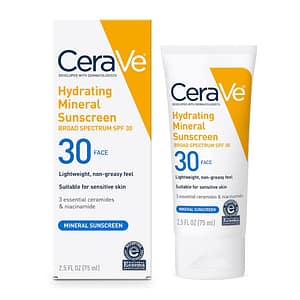
The Truth: This misconception often stems from misinformation about chemical vs. mineral sunscreens. Both types undergo rigorous testing to ensure they’re safe and effective. If you’re concerned about ingredients, opt for mineral-based sunscreens containing zinc oxide or titanium dioxide—they’re gentle on the skin and environmentally friendly.


Myth 8: “If I Don’t Burn, I’m Not Getting Sun Damage.”
The Truth: Sunburn is only one indicator of UV damage. Even if your skin doesn’t turn red, UV rays can still cause long-term damage, such as wrinkles, dark spots, and an increased risk of skin cancer. Prevention is better than cure—apply sunscreen to protect your skin’s health and appearance.
Myth 9: “Waterproof Sunscreen Doesn’t Need Reapplication.”
The Truth: No sunscreen is truly “waterproof.” The FDA requires sunscreens to be labeled as “water-resistant” instead, typically lasting 40 to 80 minutes in water. If you’re swimming or sweating, reapplication is essential to maintain protection.
Myth 10: “I Don’t Need Sunscreen Indoors.”
The Truth: While glass blocks UVB rays, UVA rays—the ones responsible for premature aging—can still penetrate windows. If you’re near windows at home or in the car, applying sunscreen is essential to protect your skin from long-term damage.

How to Use Sunscreen Correctly
Now that we’ve busted these myths, here’s how to use sunscreen effectively:
- Apply Enough: Use about a shot glass (1 ounce) of sunscreen to cover your entire body.
- Reapply Frequently: Every two hours, and more often if you’re swimming or sweating.
- Don’t Miss Key Areas: Ears, neck, hands, and feet are often overlooked but need protection too.
- Use It Year-Round: UV rays don’t take a holiday, so keep sunscreen in your daily routine.
The Bottom Line
Sunscreen is your skin’s best defense against premature aging, sunburn, and skin cancer. Don’t let misinformation put your skin at risk. By understanding the truth behind these sunscreen myths, you can keep your skin healthy, youthful, and glowing all year long. Protect your skin like it’s your most valuable asset—because it is.